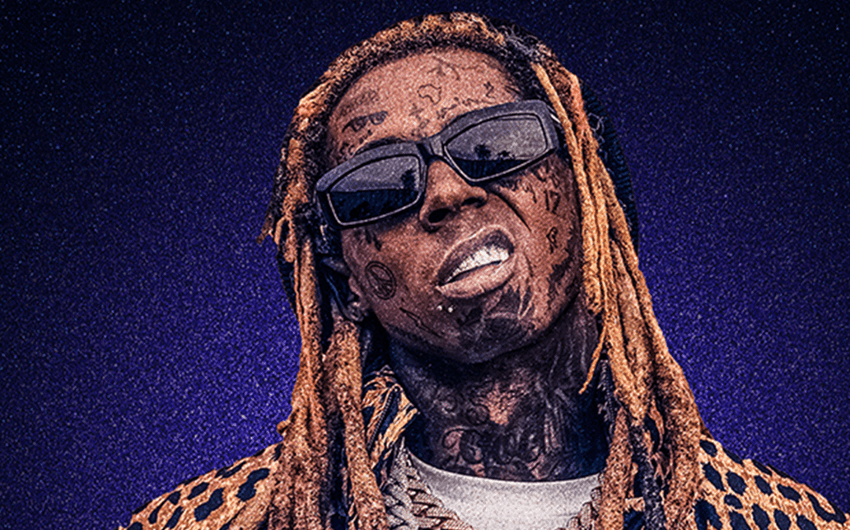
Lil Wayne Net Worth in 2026: Young Money, Catalog Sales, Tours, and Business Moves
When people look up lil wayne net worth, they’re usually trying to figure out how a rapper who started as a teenager turned his talent into long-term wealth. The short answer is that Wayne didn’t rely on one hit or one era—he built a machine that earns from music, touring, branding, and ownership. Even when he’s quiet on the charts, his catalog still works like a paycheck. Here’s a detailed look at how his money is made and why the numbers stay so high.
Quick Facts
- Full Name: Dwayne Michael Carter Jr.
- Stage Name: Lil Wayne
- Born: September 27, 1982
- Age: 43 (as of 2026)
- Height: About 5’5″ (165 cm)
- Nationality: American
- Profession: Rapper, songwriter, music executive, entrepreneur
- Label/Brand: Young Money Entertainment
- Children: 4
- Former Spouse: Toya Johnson (married 2004, divorced 2006)
- Estimated Net Worth (2026): About $180 million
Estimated Net Worth in 2026
As of 2026, Lil Wayne’s estimated net worth is best placed in a range of roughly $170 million to $200 million, with a practical midpoint estimate of about $180 million. The key thing to understand is that Wayne’s wealth is not just “cash in the bank.” It’s the value of a long career, a powerful catalog, business interests, and ownership moves that created major payouts over time.
Also, his net worth can shift depending on touring activity, new deals, and how music rights are valued in any given year. When catalog values rise or a new partnership hits, those numbers can jump fast.
Short Bio: Lil Wayne
Lil Wayne is one of the most influential rappers of his generation, known for his sharp wordplay, unforgettable punchlines, and a work ethic that helped reshape modern mixtape culture. He began young with Cash Money Records, broke out with the Hot Boys, and later became a solo star through projects like the Tha Carter series. Over time, Wayne expanded from artist to executive, launching Young Money and helping develop careers that became massive in their own right. His longevity is a huge part of why his wealth has stayed strong for decades.
Short Bio: Toya Johnson
Toya Johnson is a television personality, author, and entrepreneur who became widely known through reality TV and her public connection to Lil Wayne. She and Wayne share a daughter, Reginae, and they have remained part of each other’s lives through co-parenting. While they were married in the mid-2000s and later divorced, Toya built her own brand through media projects, books, and boutique businesses, keeping a public profile that extends beyond her former marriage.
The Main Drivers Behind Lil Wayne’s Wealth
Lil Wayne’s fortune comes from a few major lanes that work together. Some years one lane dominates (like touring). Other years the quieter lanes (like catalog income) do most of the heavy lifting. That balance is a big reason he’s stayed wealthy even as the music business changed.
1) Music Catalog Money: Streaming, Sales, and Long-Term Royalties
Wayne has a deep catalog, and that catalog earns every day. Even when he isn’t releasing a new album, fans are still streaming classics, revisiting mixtapes, and looping feature verses. Catalog income is powerful because it’s recurring. You do the work once, and it can pay for years.
Royalties can flow from multiple places:
- Streaming (Spotify, Apple Music, YouTube, and others)
- Digital downloads and physical sales that still happen for major artists
- Publishing royalties for songwriting
- Performance royalties when songs are played publicly
- Licensing for film, TV, ads, and games
For an artist with Wayne’s history, catalog income isn’t a side hustle. It’s a major financial pillar.
2) Touring: The “Big Checks” Part of the Career
For most top rappers, touring is where the largest single paydays happen. Albums create the demand, but shows convert that demand into serious money. A strong tour can generate millions through ticket sales, VIP packages, and on-site merchandise.
Wayne’s touring value comes from two things: a huge list of recognizable songs and a fan base that spans generations. That means he can headline, co-headline, or appear on festival lineups and still command top-tier fees.
3) Young Money: The Executive and Ownership Layer
Young Money changed Wayne’s financial trajectory because it moved him from “paid performer” to “owner and builder.” When you run a label or imprint, you can earn from multiple careers—not just your own. Even if contracts and profit splits vary over time, the concept is simple: ownership creates upside.
Young Money’s success also boosted Wayne’s power in negotiations. It’s different when you’re not only an artist, but also the person who helped shape an entire era. That kind of influence has value, and it can show up in deal terms, partnerships, and long-term opportunities.
The Masters and Catalog Deal: A Huge Wealth Moment
One of the most important money events in Wayne’s recent financial story is the reported sale of his masters and related catalog rights in a deal valued at more than $100 million. Moves like this can instantly transform net worth because they convert future earnings into a large lump sum.
These deals are popular for a reason:
- Immediate liquidity: a massive check today instead of waiting years
- Risk reduction: you lock in value even if the market changes later
- Wealth planning: it can simplify taxes, estate planning, and investing strategies
Of course, there’s a trade-off. Selling masters often means giving up some future control or future upside. But for many artists, a nine-figure payout is worth it—especially when they still have other income streams running.
Publishing: The Part of Music Money People Forget
Publishing is often less flashy than touring, but it can be extremely valuable—especially for artists who write, collaborate, and have songs that live on for decades. Publishing income can come from radio play, streaming mechanicals, public performances, and licensing placements.
Wayne’s career includes a long list of songs, features, and memorable lines that keep replay value high. That replay value is exactly what makes publishing powerful.
Features and Collaboration Fees
Lil Wayne has been a go-to feature artist for years. Feature fees can be significant, and they also keep an artist culturally active. Even when the main release schedule slows, feature verses can maintain relevance, introduce Wayne to younger listeners, and create new streams of royalty income.
There’s also a smart branding angle: being “the rapper who can still outrap anyone” keeps demand strong. Demand is what protects your price.
Merchandising and Brand Plays
Merch used to be treated like a bonus. Now it’s a real business. For artists with loyal audiences, merch can be a consistent revenue stream—especially during tours and festival runs. Wayne has also been tied to clothing and branding ventures over the years, which can add income through direct sales, licensing, and partnerships.
Brand money tends to come in a few forms:
- Merch drops tied to tours or album cycles
- Licensing deals for apparel and accessories
- Sponsored partnerships when brands want cultural credibility
Not every venture becomes a long-term winner, but even a few successful cycles can add millions over time.
Real Estate and Lifestyle Assets
High-earning musicians commonly move part of their wealth into real estate. Homes aren’t just lifestyle choices—they can also be long-term stores of value, especially in high-demand markets. While private details should be treated carefully, Wayne has been known to live at a level that matches his success, and real estate is often part of that picture.
In net worth terms, real estate usually plays two roles:
- Stability: property value doesn’t swing like music income can
- Diversification: it spreads wealth beyond entertainment royalties
For someone whose money is tied to a changing music industry, diversification is a smart defense.
Cash Money Era, Legal Battles, and How They Shaped the Money Story
Wayne’s career has included public disputes tied to label issues and contract tensions. Situations like that can be expensive, stressful, and time-consuming—but they can also lead to turning points where artists renegotiate power, rights, and control.
The big financial lesson is that ownership and control matter just as much as the size of an advance. A huge upfront payment can look impressive, but long-term rights and profit participation are what build lasting wealth. Wayne’s later-career moves reflect an artist who understood that difference.
Family Life and Financial Responsibilities
Lil Wayne is a father of four, and with that comes real responsibility: private education costs, security, travel, lifestyle support, and long-term planning. High net worth doesn’t mean unlimited money if spending is also high. The reason Wayne’s fortune has held up is that his income streams aren’t one-dimensional.
His oldest daughter, Reginae, has also built her own public profile. That doesn’t mean Wayne’s money funds everything, but it does reflect something important: his family life has been visible, and visible families often come with visible expectations—events, travel, appearances, and lifestyle choices that can add up quickly.
Why Lil Wayne’s Net Worth Holds Up Even When He’s Not Everywhere
Wayne’s wealth is built to survive quiet periods because it’s not dependent on a single yearly outcome. He has multiple lanes that can keep paying even when one slows down. If touring pauses, the catalog still earns. If streaming trends shift, brand value and past deals still matter. If a new project hits, everything gets a fresh boost.
That’s the difference between being “rich for a moment” and building long-term net worth: the money keeps flowing even when the spotlight dims.
The Big Picture
With an estimated net worth of about $180 million in 2026, Lil Wayne sits in the top tier of hip-hop wealth because he combined talent with ownership moves and long-term earning power. His catalog remains valuable, his touring potential stays strong, and his business history—especially through Young Money—added a layer of money most artists never touch. He’s a clear example of how a music career can become a true financial empire when the artist plays the long game.
image source: https://www.wwlp.com/news/connecticut/lil-wayne-coming-to-mohegan-sun-arena-this-fall/