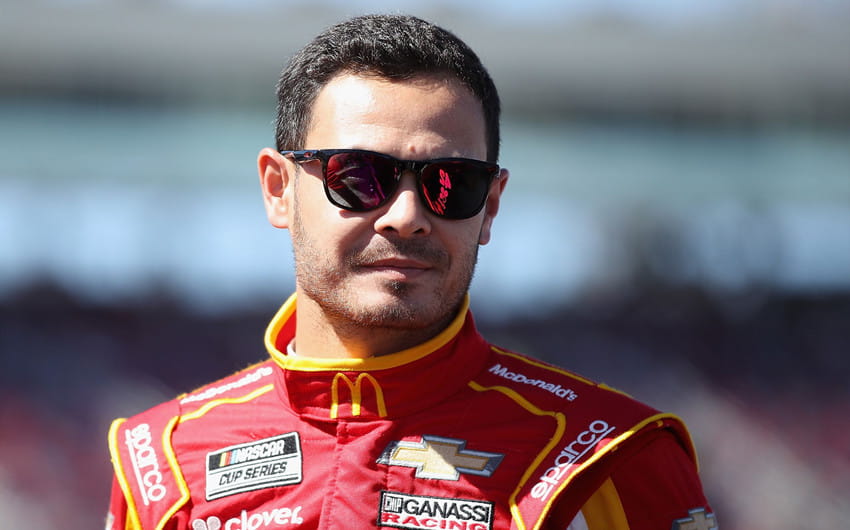
Kyle Larsen Net Worth in 2026: NASCAR Salary, Sponsors, Championships, and Business Income
If you searched kyle larsen net worth, you’re not alone—people misspell his last name all the time, even though NASCAR fans know him as Kyle Larson. The quick answer is that Larson’s money comes from a mix of top-tier racing pay, major sponsorship support, prize winnings, and a serious second lane in dirt racing business ownership. He’s not just collecting checks for driving the No. 5 car—he’s built a motorsports portfolio that keeps earning even when the season ends.
Quick Facts
- Full Name: Kyle Miyata Larson
- Born: July 31, 1992
- Age: 33 (as of 2026)
- Height: About 5’6″ (168 cm)
- Nationality: American
- Profession: Professional racing driver
- Primary Team: Hendrick Motorsports (No. 5 Chevrolet)
- Major Titles: NASCAR Cup Series Champion (2021, 2025)
- Spouse: Katelyn Sweet
- Children: 3
- Estimated Net Worth (2026): About $25 million (approx.)
Short Bio: Kyle Larson
Kyle Larson is one of the most versatile American drivers of his generation, known for winning in NASCAR while also racing—and winning—in dirt sprint cars and other disciplines. He built his reputation on raw speed, fearless car control, and an ability to adapt to almost any surface. With major championships, big-race victories, and a “run anything, anytime” mindset, Larson has become the rare modern driver who can dominate in the mainstream and still be respected as a true racer’s racer.
Short Bio: Katelyn Sweet (Wife)
Katelyn Sweet is Kyle Larson’s wife and the mother of their three children. She’s closely connected to the dirt racing world through her family and is often seen supporting Larson across NASCAR weekends and dirt events. While she keeps a lower profile than many sports spouses, fans recognize her as part of the steady family foundation behind Larson’s fast-paced, travel-heavy career.
Kyle Larson’s Estimated Net Worth in 2026
As of 2026, Kyle Larson’s net worth is best estimated at around $25 million, with a realistic range of roughly $20 million to $30 million. The reason the number moves is simple: racing income isn’t just a fixed salary. It’s a blend of contracted pay, prize winnings, sponsor-related bonuses, appearances, and side ventures that can have big years and quieter years.
Larson also sits in a unique spot compared to many NASCAR drivers because his income isn’t limited to Cup racing. He has one of the busiest motorsports calendars in the sport, and that creates more chances to earn—from driving, ownership, and brand deals tied to both NASCAR and dirt racing.
How NASCAR Drivers Get Paid (And Why Larson’s Pay Is Strong)
Most fans think a NASCAR driver’s money is basically “salary plus winnings.” That’s part of it, but the real structure is usually broader. A top Cup driver can earn money through:
- Base contract pay from the team
- Race winnings and performance incentives
- Championship and points-related payouts
- Sponsor-driven bonuses (especially for wins and TV exposure)
- Personal endorsement deals outside the car
Larson is in the premium tier because he does what sponsors and teams love most: he contends. When you’re regularly in the conversation for wins, your value jumps. It’s not just about being famous; it’s about being on camera at the front of the field when the spotlight is brightest.
Hendrick Motorsports Contract Value and Job Security
Driving for Hendrick Motorsports is one of the best-paying situations in NASCAR, and Larson’s role in the No. 5 program is a big reason his earnings stay high. His long-term security matters financially, because stability allows you to plan—homes, investments, and business moves are easier when your career foundation is strong.
In practical terms, top drivers in elite rides typically earn a combination of guaranteed pay and incentives that reward results. Larson’s championships and consistent win potential give him leverage, and leverage is what creates high annual earnings in this sport.
Prize Money, Points Funds, and Performance Bonuses
NASCAR money isn’t like golf where you see a simple published prize check every week. A lot of the biggest payouts show up through season-long systems, team agreements, and performance bonuses. The better your season, the more doors open—stronger sponsor value, higher incentive payouts, and often better terms in future negotiations.
For a champion-level driver, the “good year” effect can be huge. The win total matters, but so does the consistency: playoff runs, big-race performance, and finishing the season as a headline driver can lead to significant bonus income even beyond what fans see on Sunday.
Sponsorship and Endorsement Money
Sponsorship is the lifeblood of NASCAR, and Larson’s sponsorship situation has become a major financial pillar. When you drive for a powerhouse team, you benefit from team partners, manufacturer relationships, and sponsor confidence that the car will be competitive.
Larson’s income here tends to come in two forms:
- Team sponsorship value: sponsors fund the car and the program, which supports driver compensation and bonuses.
- Personal endorsements: separate deals where Larson is paid to represent brands directly.
For a driver like Larson, endorsement money can be substantial because he’s marketable to multiple audiences: mainstream NASCAR fans, dirt racing fans, and motorsports brands that want credibility.
Why His Dirt Racing Life Matters for Net Worth
Kyle Larson doesn’t treat dirt racing like a hobby. It’s part of his identity—and increasingly, part of his business story. Racing extra events can add income, but the bigger financial angle is that dirt racing expands his brand beyond NASCAR.
That expanded brand can translate into:
- More sponsor appeal (different audiences and more exposure)
- More merchandise demand (fans from multiple racing worlds)
- More negotiating power (because his value isn’t tied to one series)
It also keeps him sharp. Many fans believe his dirt background makes him more adaptable, which helps performance—and performance is the fastest way to raise earning power.
High Limit Racing Ownership and the “Second Business”
One of the most important parts of Larson’s wealth story is that he’s not only a driver—he’s also an owner. High Limit Racing, the sprint car series he co-owns, is a major example of turning racing influence into a business asset.
Ownership is different from salary. A salary pays you while you work. Ownership can pay you while the business grows. A series can generate value through sponsorship packages, media partnerships, ticket sales, event growth, and long-term franchise-style structures. Even if the cash flow isn’t “instant,” building a racing property is the kind of move that can increase net worth over time in a way a driver paycheck alone can’t.
This is a big reason Larson’s net worth can climb faster than a driver who only races Cup and goes home. He’s building a motorsports ecosystem around himself.
Merchandise, Appearances, and Personal Branding
Modern drivers aren’t just athletes—they’re brands. Larson’s personal brand has become strong enough that it can support steady income outside the car through:
- Merchandise (shirts, hats, collectibles, limited drops)
- Paid appearances (corporate events, sponsor activations, fan events)
- Digital content and media visibility tied to major moments
Merch might sound small compared to a racing contract, but it stacks up over time—especially for a driver with crossover popularity. The more surfaces you race on, the more types of fans you collect. And the more fans you collect, the more your brand turns into a business line.
Real Estate and Lifestyle Spending
Most high-earning athletes put some money into real estate, and drivers are no different. Real estate can protect wealth because it’s a tangible asset that can appreciate, and it can also stabilize a life that otherwise involves constant travel.
At the same time, motorsports is expensive even at the top. Between travel, training, keeping a team around you, and the overall cost of living at a pro level, the outflow is real. That’s why net worth estimates for drivers can vary: some people focus on earnings, while others factor in the high costs of maintaining an elite career and lifestyle.
Why Net Worth Estimates for Larson Vary Online
You’ll see wildly different numbers on the internet for Larson, and it usually comes down to what the estimate includes. Some estimates lean conservative and mostly count obvious, proven income sources. Others assume higher endorsement totals, bigger bonus years, and strong business valuation tied to ownership ventures.
A balanced estimate—one that matches his status as a champion-level NASCAR driver with major sponsor backing plus ownership activity—is why about $25 million is a reasonable middle ground for 2026.
What Matters Most About Kyle Larson’s Wealth
Larson’s money story is about more than being fast. It’s about being valuable in multiple lanes at the same time. He earns like a top NASCAR driver, he has strong sponsor appeal, and he’s building ownership-based income in dirt racing. That combination is how you move from “well-paid athlete” to “long-term wealthy motorsports figure.”
image source: https://edition.cnn.com/2020/10/19/us/nascar-kyle-larson-reinstated-trnd