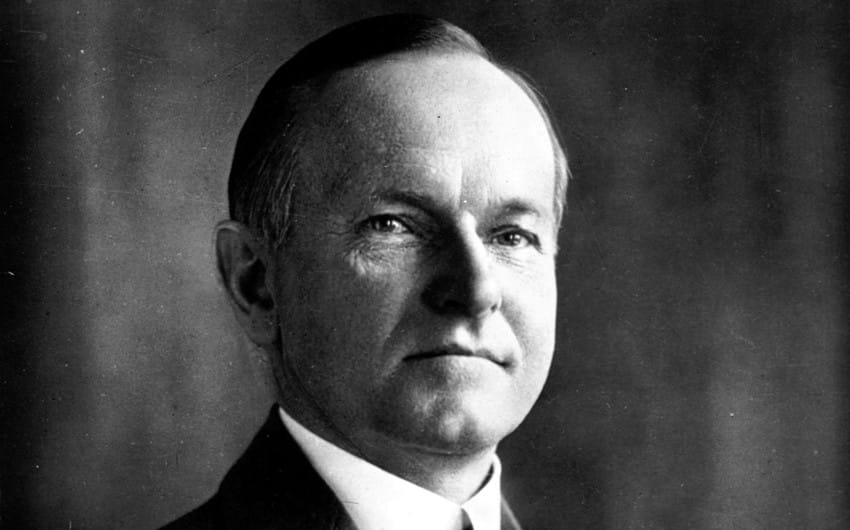
Calvin Coolidge Net Worth at Death: The Frugal President’s Finances Explained Simply
Calvin Coolidge net worth is an interesting topic because he may be the clearest example of a modern U.S. president who treated money like a private matter and lived far below the image people associate with power. He served in the roaring 1920s, yet his personal finances stayed quiet, conservative, and remarkably plain. By the time he died in 1933, he was comfortable—but not remotely “rich” by the standards of other national figures.
Quick Facts
- Full Name: John Calvin Coolidge Jr.
- Born: July 4, 1872
- Died: January 5, 1933
- Age at Death: 60
- Birthplace: Plymouth Notch, Vermont, USA
- Profession: Lawyer, politician
- Known For: 30th President of the United States
- Spouse: Grace Coolidge
- Children: 2 sons (one died young)
- Estimated Net Worth at Death: Often described as modest; commonly estimated around $100,000 (1933 dollars), which would be in the low millions in today’s money
- Height: Often listed around 5’10” (approx.)
Calvin Coolidge Bio
Calvin Coolidge was the 30th president of the United States and one of the most reserved public figures ever to hold the office. Raised in rural Vermont, he carried a lifelong belief in saving, self-control, and keeping life simple. He trained as a lawyer and built his political career step by step, moving from local office to governor of Massachusetts and then to the White House. Coolidge became known for his quiet personality, short remarks, and deep commitment to limited government. While his presidency took place during a booming economy, his personal reputation was built on discipline and modest living rather than wealth, glamour, or showmanship.
Grace Coolidge Bio
Grace Coolidge, born Grace Anna Goodhue, was the wife of President Calvin Coolidge and served as first lady during the 1920s. Before marrying Coolidge, she worked as a teacher and was known for warmth, humor, and a natural social ease that balanced her husband’s reserved personality. In the White House, she became widely admired for her friendly public presence and her ability to connect with ordinary Americans. After Coolidge’s presidency and later his death, she continued to be viewed as a steady, dignified figure, someone who carried herself with calm strength through personal loss and public attention.
What Was Calvin Coolidge’s Net Worth at Death?
Calvin Coolidge’s net worth at death is generally described as modest compared to many prominent public figures of his time. A commonly repeated historical estimate places his personal estate at roughly $100,000 in 1933 dollars, which would translate to low single-digit millions in modern buying power. Exact numbers vary because estate details from that era were not always reported with the clean, standardized transparency people expect today.
The key point is this: Coolidge did not die as a poor man, but he also did not leave behind a fortune that would match the wealth of industrialists, bankers, or even some modern political celebrities. His money story is less about “how big was the number?” and more about “how did he live so simply while holding the highest office in the country?”
Why Coolidge’s Wealth Was So Different From What People Assume
When most people picture a president, they picture power, influence, and automatic wealth. But the early 1900s had a very different political culture than today. Presidents were famous, yes, but they were not automatically tied to massive speaking fees, giant media contracts, or personal branding empires.
Coolidge also had a personal style that kept his finances small and steady:
- He avoided flashy living. Even in Washington, he kept things restrained.
- He was a saver by nature. Friends and historians consistently describe him as careful with spending.
- He preferred conservative investing. The “slow and safe” approach fit his temperament.
- He did not build a post-presidency money machine. His later years were quieter than most.
In simple terms, Coolidge treated money like a tool for stability, not a scoreboard.
How Calvin Coolidge Made His Money
Coolidge’s wealth came from a handful of straightforward sources. None were exotic, and none depended on hype.
1) Salary from Public Office
Coolidge earned income over many years in public service: local government, the Massachusetts statehouse, the governorship, and eventually the presidency. The presidential salary in the 1920s was strong for its time, but it was still a salary—not the kind of wealth-generating engine it can become today through modern media and corporate opportunities.
A salary can build real wealth if a person consistently saves. Coolidge did exactly that. He lived carefully and did not treat income as a reason to inflate his lifestyle.
2) Law Career Income
Before his highest political roles, Coolidge worked as an attorney. He wasn’t known as a flashy courtroom celebrity. He built his career in a steady, local way, which fit his personality and his community roots. That legal work gave him a professional foundation, but it wasn’t the kind of practice that would typically create a large fortune.
3) Writing and Post-Presidency Earnings
After leaving office, Coolidge did earn money through writing. Like many public figures, he had value as an author because the public wanted an inside view of leadership. But he still did not turn himself into an entertainment product. His writing income helped, but it didn’t transform him into a mega-wealthy figure.
4) Conservative Investments and Savings
Coolidge’s temperament strongly suggests conservative financial habits: savings accounts, bonds, and stable investments rather than speculation. This matters because the late 1920s were a dangerous time to chase quick gains. The stock market crash of 1929 wiped out many fortunes. Coolidge’s style, by contrast, was built to endure shocks, not chase booms.
That conservative approach likely protected what he had and helped explain why his estate remained intact enough to provide security for his family, even as the country moved into the Great Depression.
The Coolidge Lifestyle: Wealth You Don’t Spend Doesn’t Look Like Wealth
One reason people underestimate Coolidge’s finances is that he didn’t “perform wealth.” He wasn’t known for extravagant purchases or a grand personal empire. Even his public image was built on restraint. In today’s world, where many public figures show success through expensive visuals, Coolidge would look almost invisible.
But frugality has a financial advantage: it lets a person keep more of what they earn. Coolidge’s personal brand was basically the opposite of lifestyle inflation. That is one of the quiet reasons his money story still gets attention—because it feels rare.
Family Responsibilities and Personal Tragedy
Coolidge’s personal life included deep loss. One of his sons, Calvin Coolidge Jr., died in 1924 while Coolidge was president. That tragedy is often described as a turning point in his emotional life, and it likely influenced the way he viewed public life and personal priorities.
From a financial standpoint, family responsibilities also matter because raising children, maintaining households, and supporting relatives can shape what someone ultimately saves. Coolidge’s family life wasn’t built around lavish spending, but it was still real life—with real pressures and real costs.
Did Coolidge Leave Behind “Generational Wealth”?
Not in the modern celebrity sense. Coolidge’s estate was meaningful, but it was not the kind of wealth that would create a lasting family dynasty. Think of it more like a strong safety net than a permanent financial empire.
What he did leave behind, however, was a different kind of asset: a reputation. Coolidge’s image as a disciplined, honest, frugal leader became part of how people remember him. That reputation has lasted longer than most fortunes ever do.
Why Net Worth Estimates for Coolidge Aren’t Perfect
It’s hard to talk about a precise number for someone who died in 1933 for a few simple reasons:
- Records from that era were not always public in the same way they are today.
- Asset values were affected by the Great Depression. Markets, property values, and investment worth could swing sharply.
- Reporting standards were looser. Different sources may describe “estate value” differently.
So the most honest approach is to discuss Coolidge’s wealth as “comfortable and conservative,” with commonly cited estimates placing him around $100,000 at death in 1933 dollars, rather than pretending the exact figure is perfectly documented down to the last dollar.
What Coolidge’s Money Story Says About Him
Calvin Coolidge’s financial life matched his personality: quiet, careful, and controlled. He didn’t chase attention, and he didn’t chase luxury. He believed in stability, work, and saving. In a time when the country experienced both boom and collapse, his personal finances appear to have followed a steadier path than many of his contemporaries.
That’s why the question of his net worth still gets asked. Not because he was the richest president, but because he may have been one of the clearest examples of a leader whose private life didn’t contradict his public message.
Bottom Line
Calvin Coolidge’s net worth at death is generally described as modest and conservative, with a commonly cited estimate of about $100,000 in 1933 dollars, translating to low single-digit millions in today’s buying power. He built that wealth through steady public salaries, careful saving, conservative investing, and later writing income. His story is a reminder that financial success doesn’t always come with flash—and that sometimes the most “wealthy” lifestyle is simply the one that avoids waste.
image source: https://www.thoughtco.com/calvin-coolidge-thirtieth-president-united-states-104380