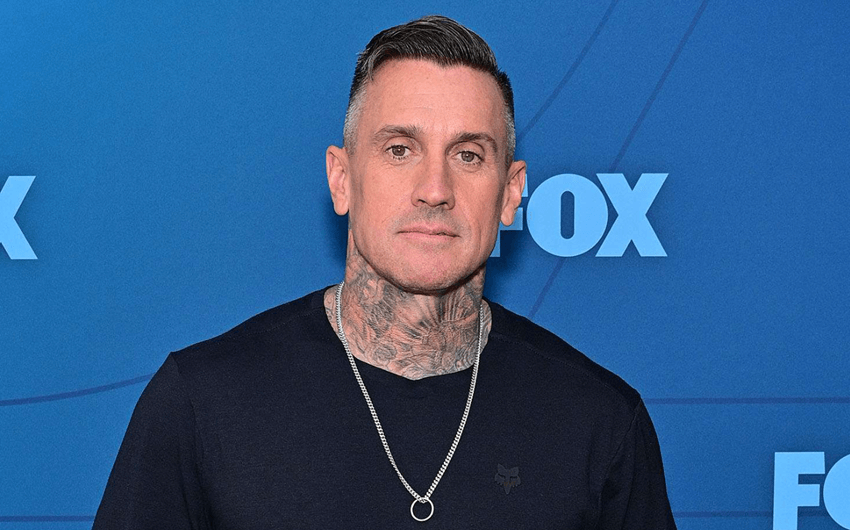
Carey Hart: Motocross Career, Tattoos, Businesses, Family Life, and Public Image Explained
Carey Hart is known for turning a fearless motocross reputation into a long-lasting brand that stretches far beyond the dirt track. If you only recognize his name through celebrity headlines, you might miss the bigger story: he’s a former professional rider, a major figure in freestyle motocross culture, a successful entrepreneur in the tattoo world, and a longtime public partner in one of pop music’s most recognizable marriages.
Who is Carey Hart?
Carey Hart is an American former professional motocross and freestyle motocross rider who became widely associated with the early era of FMX when the sport was growing from niche thrill-show into mainstream entertainment. Hetthat early reputation—bold tricks, hard crashes, and a “go for it” mentality—helped make him a recognizable name even among people who weren’t hardcore motocross fans.
Over time, he became just as well known for building a business identity: tattoo shops, lifestyle branding, and a public persona that blends toughness with family devotion.
Why Carey Hart became famous in motocross culture
Freestyle motocross grew quickly because it offered something audiences couldn’t look away from—high-speed bikes defying physics in stadium settings. Carey Hart was part of the wave of riders who pushed that spectacle forward. What made him stand out wasn’t just participation; it was the “risk appetite” that defined the sport in that era.
FMX riders often became famous for:
- Attempting tricks that were considered borderline impossible at the time
- Taking serious falls and returning anyway
- Building a tough, rebellious, high-adrenaline public identity
Hart fit that image naturally, and that helped him become one of the sport’s most recognizable personalities in its early mainstream rise.
His early life and how he got into motocross
Carey Hart grew up in an environment where action sports and risk weren’t treated as unusual—they were part of the identity. Like many riders, he started young, developed skill through repetition, and gained attention by pushing beyond “safe” riding. Motocross culture rewards commitment and resilience, because injuries and setbacks are almost inevitable.
That early background matters because it shaped his entire career arc: he didn’t just want to ride well; he wanted to build a life around the sport’s energy and style.
Carey Hart and freestyle motocross: the era of big tricks
When people talk about Carey Hart in FMX circles, they often tie his name to the era when freestyle motocross was becoming a stadium attraction. That period created stars because the sport was new enough that every major trick felt like a milestone.
In that kind of environment, riders weren’t only competing—they were performing. They were selling a moment. That performance element helped riders like Hart become marketable beyond the sport itself. Sponsors, TV appearances, and event promotions became part of the rider’s career, not just a side benefit.
Injuries, risk, and the reality of action sports careers
No matter how legendary a rider becomes, motocross and FMX careers have a harsh reality: the body eventually pushes back. Injuries aren’t a possibility; they’re a probability. Many riders transition out of full-time competition because of accumulated wear, major crashes, or the simple realization that longevity matters.
Carey Hart’s career sits in that broader pattern. The sport gave him fame and a platform, but it also came with the physical costs that define action sports. One reason he’s stayed relevant is that he didn’t rely on riding alone—he built other lanes before the athletic lane narrowed.
Carey Hart’s tattoo career and why it became a major part of his brand
For many people, Carey Hart is just as associated with tattoos as he is with motocross. His tattoo work and tattoo business identity fit naturally with the aesthetic of action sports culture—bold, expressive, and rooted in lifestyle rather than corporate polish.
Tattoo culture and FMX culture overlap in a few obvious ways:
- Both prioritize individuality and visual identity
- Both are tied to “earned credibility” rather than formal credentials
- Both have deep community connections and loyalty
Hart didn’t just dabble in tattoos as a hobby. He turned it into a serious entrepreneurial lane, which helped him stay financially and culturally relevant even as the competitive riding chapter became less central.
Business moves: how Carey Hart built a long-term career
What makes Carey Hart interesting isn’t only what he did in one sport—it’s how he used that platform to build a broader business identity. Many athletes struggle after retirement because the spotlight fades and income drops. Hart avoided that trap by expanding into businesses that could continue without him needing to compete.
His long-term career strength comes from stacking multiple identities:
- Action sports figure
- Tattoo artist and tattoo shop owner
- Brand personality in lifestyle culture
- Public figure through his marriage and family life
That stack matters because each piece supports the others. The motocross fame feeds the brand. The brand feeds the business. The business feeds long-term stability.
Carey Hart and Pink: why their relationship became part of pop culture
Carey Hart’s public profile grew even more through his relationship with singer Pink. Their relationship has been widely discussed over the years because it has included very public highs, challenges, and a sense of resilience that many celebrity couples don’t show. To fans, they’ve often looked like a couple that doesn’t try to perform perfection—more like a couple that argues, grows, and comes back stronger.
That “realness” is a big part of why people stay interested. Their relationship has been framed as passionate and sometimes intense, but also committed in a way that feels grounded in friendship and shared history.
Family life and the softer side of his public image
Carey Hart’s image can read “tough” at first glance—tattoos, motocross, and that fearless action-sports vibe. But his public family life has added a softer layer. Over the years, he has often been presented as a devoted father and a very hands-on partner, which creates an interesting contrast: the rebel aesthetic paired with domestic consistency.
This contrast is part of his appeal. It shows that a “hard” exterior doesn’t cancel out responsibility or tenderness. In fact, for many fans, it makes him more relatable: he looks like someone who grew up, not someone who changed personalities to fit an image.
Why Carey Hart still matters even if you’re not into motocross
You don’t have to follow motocross to understand why Carey Hart stays relevant. He represents a specific kind of modern celebrity: someone who became known through a niche culture, then translated that credibility into broader business and pop culture visibility.
He’s also an example of something a lot of people admire: building a second career before the first one is over. That kind of planning is rare in industries that reward youth and risk.
Common misconceptions about Carey Hart
Because his name is often mentioned in entertainment headlines, people sometimes reduce him to “Pink’s husband.” That overlooks how long he’s had his own public identity. Another misconception is thinking he’s only a former athlete. In reality, his business side—especially in tattoo culture—has been central to his longevity.
A clearer way to describe him is this: he’s someone who turned a high-adrenaline sport into a lifestyle brand and then turned that lifestyle into real business.
Final thoughts
Carey Hart is more than a motocross name or a celebrity spouse headline. He’s a former freestyle motocross rider who helped shape an era of action sports, and he’s a tattoo entrepreneur who built long-term relevance outside competition. His public image blends toughness with stability, and his career shows how a person can evolve without abandoning the identity that made them famous. Whether you know him from bikes, tattoos, or pop culture, the bigger story is about reinvention, resilience, and building something that lasts.
image source: https://people.com/carey-hart-reflects-long-grieving-period-following-brothers-death-racing-8778507