Fritz Von Erich Net Worth in 2026: Wrestling Legacy, WCCW, and Earnings
If you’re searching fritz von erich net worth, you’re probably trying to connect the dots between a legendary wrestling name and the money behind it. The short answer is that Fritz built real wealth for his era through wrestling, promoting, and owning WCCW, but his fortune was never “mega-rich” in the modern celebrity sense. His finances were shaped by the brutal boom-and-bust nature of regional wrestling, big overhead, and the costs of running a promotion.
Quick Facts
- Ring Name: Fritz Von Erich
- Real Name: Jack Barton Adkisson
- Born: August 16, 1929
- Died: September 10, 1997
- Age at Death: 68
- Nationality: American
- Height: About 6’3″ (191 cm)
- Profession: Professional wrestler, wrestling promoter
- Best Known For: Von Erich family legacy; World Class Championship Wrestling (WCCW)
- Spouse: Doris Adkisson
- Children: 6
- Estimated Net Worth (2026 dollars): About $2 million (approx.)
Short Bio: Fritz Von Erich
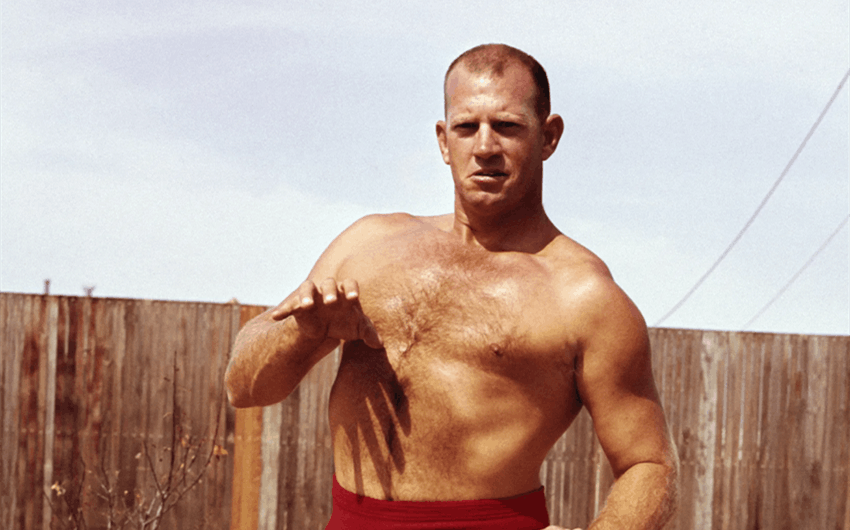
Fritz Von Erich, born Jack Barton Adkisson, was a major wrestling star who later became one of the most influential promoters of the regional territory era. He created the “Von Erich” persona and built a wrestling empire in Texas through WCCW, turning the Von Erich family into a pop-culture phenomenon. His story is inseparable from both the golden era of Dallas wrestling and the heartbreaking tragedies that struck his family, which also affected the long-term stability of the business he built.
Short Bio: Doris Adkisson
Doris Adkisson was Fritz Von Erich’s wife and the mother of their children. She is often described as the private, steady center of a family that lived under intense public attention during WCCW’s peak years. While Fritz and his sons were in the spotlight, Doris largely stayed out of it, focusing on home life and family support through the highs of fame and the lows of personal loss.
Fritz Von Erich’s Estimated Net Worth in 2026
In today’s money, Fritz Von Erich’s net worth is best estimated at around $2 million. That figure is meant to be realistic, not flashy. Fritz made strong money for his time, especially when WCCW was thriving, but his wealth was shaped by an industry that could be extremely profitable one year and financially punishing the next. Unlike modern sports stars, he didn’t have guaranteed multi-year contracts, massive TV rights packages, or social media monetization. His income came from live gates, local television, promotion revenue, and the constant grind of keeping a territory alive.
How Fritz Von Erich Made Money
Fritz’s wealth came from three main lanes: wrestling paydays, promoter profits, and business ownership tied to WCCW. Each lane mattered, and the mix is what made him more financially powerful than a typical wrestler of his generation.
1) Wrestling Income: The Star Years
Before he became known as the patriarch and promoter, Fritz was a proven draw as a wrestler. In the territory era, top stars earned their money by putting people in seats. If your name sold tickets, you could command strong payouts, especially in big arenas and major cities. Fritz worked multiple territories across his career, and those bookings were the foundation of his early financial life.
Wrestling income in that era usually came from:
- Per-match payoffs based on the card and the town
- Main-event premiums for being a top attraction
- Special events with larger gates and bigger payouts
- Merch and side sales that were smaller than today but still mattered
This wasn’t the modern WWE-style salary structure. It was closer to being a touring entertainer where you earned because the crowd paid. Fritz understood that system deeply, and it helped him later as a promoter.
2) Promoter Money: The Real Power Move
In classic pro wrestling, the promoter often had the most control and, in good years, the most profit potential. Fritz’s biggest financial leap came from becoming more than talent. He moved into ownership and promotion, which meant he wasn’t only earning from his own matches. He could earn from the entire ecosystem: tickets, venues, advertising, and overall business operations.
Promoter income typically came from:
- Live gate receipts (ticket sales were king)
- TV-related revenue through syndication and sponsorships
- Concessions and local partnerships in some arrangements
- Talent management decisions that controlled payroll and profitability
When WCCW was at its peak, that kind of setup could create serious income. But it came with major pressure: you also carried the costs.
3) Ownership and WCCW: Building a Texas Wrestling Empire
WCCW became one of the most recognizable regional promotions in America, especially during the years when the Von Erich sons were on top. That era created a rare kind of heat: crowds weren’t just watching wrestling, they were emotionally invested in the family story. That investment fueled ticket sales and made Dallas wrestling feel like a major-league product, even outside the national companies.
For a promoter-owner, a hot product can build wealth quickly. You run more shows, expand to bigger venues, and attract stronger sponsors. The Von Erich brand was powerful enough to push WCCW into national awareness, and that kind of growth usually creates a financial surge.
Why Regional Wrestling Money Could Disappear Fast
Here’s the part many people miss when they think about net worth for an old-school promoter: wrestling was a high-cash business with high overhead, and it could turn on you quickly.
Major financial pressures in the territory era included:
- Venue costs and deposits that didn’t go away during slow periods
- Talent payroll for wrestlers, referees, production staff, and office workers
- Travel and logistics for moving a show across towns
- Marketing and TV production costs to keep the machine running
- Competition from other territories and later national expansion
So even if WCCW had seasons of strong profit, it didn’t mean the money stayed forever. Running a promotion could feel like feeding a fire: if you stop feeding it, it goes out. If you feed it too much, you can burn yourself.
The Von Erich Brand: Fame That Helped and Hurt
The Von Erich name became a brand before “personal branding” was a popular phrase. That helped Fritz financially because it created a built-in audience. Fans didn’t just want wrestling—they wanted Von Erich wrestling.
At the same time, a family-driven brand can be fragile. When the public narrative shifts, the business can feel it immediately. Fritz’s family tragedies were deeply personal, but they also changed the emotional center of the promotion over time. In wrestling, momentum matters. If a company’s momentum breaks, revenue can fall hard.
Did Fritz Make “Modern Superstar” Money?
No, and it’s important to say that plainly. Fritz was successful, but he wasn’t operating in an era where one contract could be worth tens of millions. Wrestling in his prime wasn’t paying like modern global entertainment. There were no massive streaming deals, no worldwide licensing machine, and no billion-dollar corporate structure behind him.
Instead, Fritz’s money was built the old way:
- Years of steady work as a top attraction
- Ownership leverage through the promotion
- Peak-era surges when WCCW was red hot
- Practical assets that likely included property and business interests
That’s why an estimate around $2 million in today’s dollars makes sense for a wealthy-for-his-time wrestling promoter whose business faced serious turbulence.
Real Estate and Long-Term Assets
Promoters and successful wrestlers from that era often put money into tangible assets like property. Real estate is a classic choice because it can hold value even when the entertainment business is unstable. Fritz was based in Texas, where land and property ownership have long been a common wealth strategy.
While private details shouldn’t be treated as a public spreadsheet, it’s reasonable to assume that a meaningful part of his net worth was tied to:
- Property connected to family life and long-term stability
- Business-related assets from years of promotion operations
- Savings and valuables accumulated during peak earning years
The Cost of Being a Promoter
People love the highlight version of wrestling history, but the day-to-day business can be draining. Promoters often dealt with legal issues, contract disputes, injury-related problems, and constant talent management challenges. Even without headline drama, running a wrestling company required spending money to make money.
That reality matters because it affects how much wealth a promoter can keep. A strong year can get eaten by a weak year. A hot run can be followed by expensive rebuilding. That cycle is one reason territory-era fortunes often look smaller than fans assume today.
Fritz Von Erich’s Financial Legacy
Fritz’s greatest “asset” wasn’t a bank account. It was the legacy he created in wrestling history. He helped build a style, a regional culture, and a family name that still draws attention decades later. That legacy continues through documentaries, books, and fan discussion, which keeps his name alive even after the territory system that made him rich is long gone.
In net worth terms, Fritz Von Erich is best understood as a successful old-school wrestling entrepreneur: wealthy in his era, powerful in his market, but shaped by an industry that didn’t offer modern-scale wealth protection.
image source: https://www.gq.com/story/the-iron-claw-and-the-dallas-only-the-dead-know