Howard Carter Net Worth Explained: Tutankhamun Discovery, Earnings, and Life Finances
People who look up howard carter net worth are often surprised by what they find. Howard Carter became world-famous after uncovering Tutankhamun’s tomb, but fame didn’t automatically mean massive personal wealth. The quick answer is that Carter likely died comfortable, not wildly rich—especially compared to modern celebrity standards. His money came from steady archaeology work, patron support, lectures, and writing, not from owning treasure. Let’s break down what that probably looked like in real life.
Quick Facts
- Full Name: Howard Carter
- Born: May 9, 1874
- Died: March 2, 1939
- Age at Death: 64
- Nationality: British
- Profession: Archaeologist, Egyptologist, excavator
- Known For: Discovery of Tutankhamun’s tomb (1922)
- Marital Status: Never married (no spouse publicly known)
- Estimated Net Worth (modern equivalent): About $6 million (approx.)
Estimated Net Worth: A Realistic Range for a Historic Archaeologist
Howard Carter’s finances are harder to pin down than those of a modern actor or athlete because detailed personal records aren’t neatly packaged online for easy comparison. Still, based on how archaeology worked in his era—and the fact that the Egyptian government tightly controlled antiquities—Carter was not in a position to legally “cash in” by selling treasures from the tomb.
A reasonable estimate is that Carter’s personal net worth at the time of his death in 1939 may have been somewhere around $150,000 to $500,000 in 1939-era value, which roughly translates to about $3 million to $10 million in today’s money, depending on the conversion method used. A fair midpoint estimate would put him at about $6 million in modern dollars.
That might sound high for someone who didn’t own gold masks or jeweled coffins, but “wealth” here would mostly mean a comfortable mix of savings, valuables, a home base, and income tied to reputation—especially after the Tutankhamun discovery made him internationally famous.
Short Bio: Howard Carter
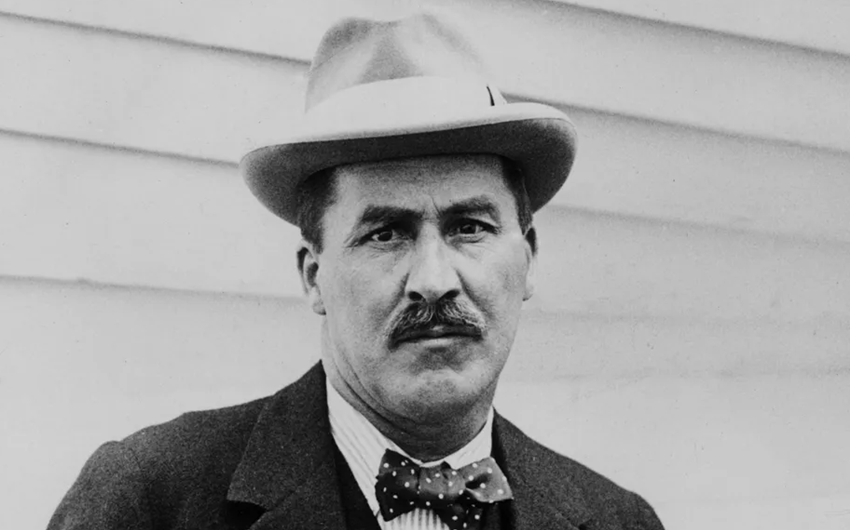
Howard Carter was a British archaeologist and Egyptologist best known for discovering the tomb of Pharaoh Tutankhamun in 1922. He started young in Egypt as an artist and recorder, then worked his way into excavation leadership. Carter became known for patience, methodical work, and attention to detail—traits that mattered when digging in a place where years of effort could produce nothing. His career reached a historic peak with the Tutankhamun discovery, and his name became permanently tied to one of archaeology’s greatest finds.
Spouse or Partner
Howard Carter never married, and there is no widely established public record of a spouse. For net worth discussions, that matters because his finances were not publicly shaped by a spouse’s separate income, divorce settlements, or shared property in the way modern celebrity finances often are. His financial story is mostly a solo one—career earnings, personal spending, and whatever savings he built over time.
Why the Tutankhamun Discovery Didn’t Make Him Instantly Rich
It’s easy to assume that finding a tomb filled with treasure would make the discoverer wealthy. In reality, archaeology—especially in Egypt—didn’t work that way by the early 1900s. Excavations were often funded by wealthy patrons, and artifacts were regulated by the state and antiquities authorities. Carter was there to excavate and document, not to take ownership.
So where did the “value” go? The value went into:
- Historical significance: Carter’s reputation skyrocketed.
- Institutional control: Museums and Egyptian authorities controlled artifacts and access.
- Public fascination: Newspapers, lectures, and books became the main money channels.
In other words, Carter’s biggest financial benefit was his name—not the gold inside the tomb.
His Early Career Income Was More Like Skilled Work Than Celebrity Pay
Carter began his career in Egypt as a young man with artistic skill. Early on, he wasn’t earning “fortune” money. He was earning the kind of pay associated with specialized fieldwork—important, respected, but not lavish. Over time, he built a reputation and took on more responsibility, which likely increased his income.
Think of it like this: Carter’s early years were about building a career foundation. Even if he saved carefully, the big financial change didn’t come until the Tutankhamun discovery created worldwide demand for his expertise and presence.
The Patron Model: Lord Carnarvon’s Role in Carter’s Finances
One of the most important financial realities behind the Tutankhamun story is that Carter didn’t fund the work alone. His most famous excavation was backed by Lord Carnarvon, a wealthy patron. That kind of sponsorship mattered because archaeology can be expensive—permits, labor, equipment, travel, and months or years of work with no guarantee of success.
Under this kind of arrangement, Carter likely received:
- A reliable income while the work continued
- Professional support and resources
- The ability to focus on excavation rather than constantly searching for funding
But sponsorship also meant Carter didn’t walk away with “ownership” in the modern business sense. The patron funded the project, while the archaeologist provided expertise and leadership.
How Carter Actually Made Money After 1922
After 1922, Carter became internationally known. That kind of recognition can become income, even when you don’t own the objects you discovered. The likely revenue sources for Carter after his breakthrough included:
Lectures and Appearances
When the public is obsessed with a discovery, they want the story directly from the person who lived it. Lectures can pay well, especially when demand is high and the speaker is the single most recognizable expert on the subject. Carter’s name would have carried weight in Britain and beyond.
Writing and Publishing
Books and published accounts were another major path. Even if he wasn’t earning modern bestseller money, publishing could generate ongoing income and strengthen his long-term earning power through reputation.
Consulting and Advisory Work
Famous experts often get hired behind the scenes. Carter’s deep knowledge could have led to paid roles advising collectors, museums, or other excavations. Even occasional consulting work could add meaningful income, especially if paired with lecture fees.
Professional Standing and Opportunities
Some income is indirect. A major discovery can open doors to better-paying work, invitations, and projects that weren’t available before. Carter’s “brand value” rose sharply after Tutankhamun.
Expenses and Lifestyle: Comfort, Travel, and the Cost of a Public Life
Net worth isn’t just about what comes in—it’s also about what goes out. Carter’s work involved long stretches abroad, professional obligations, and the costs of maintaining a life tied to international travel and research. While he likely lived comfortably, he also likely faced ongoing expenses such as:
- Travel and extended stays related to archaeology and documentation
- Professional costs tied to research, correspondence, and materials
- Day-to-day living expenses in an era where global travel was not cheap
He also dealt with a reality many people forget: the Tutankhamun discovery created intense scrutiny. Managing attention, access, and the logistics of working under constant public interest is its own kind of cost—financial and personal.
Did Carter Have Investments or Property?
It’s reasonable to assume Carter held some combination of savings and personal assets, possibly including property or long-term living arrangements back in Britain. Many professionals of his stature and age would aim to put money into stable places: cash savings, property, or low-risk holdings available at the time.
However, because Carter wasn’t a corporate mogul or aristocrat, his assets were likely practical rather than flashy. If his modern-equivalent net worth really landed in the single-digit millions, it would most likely have been built through:
- Decades of steady professional income
- A spike in earnings after 1922 through public demand
- Saving and asset building over time
Why People Overestimate His Wealth
The biggest reason people assume Carter was extremely rich is psychological: the treasure in Tutankhamun’s tomb was so stunning that it feels like it should have created personal fortune. But the tomb’s value belonged to history, not to Carter’s wallet.
Another reason is that modern entertainment has trained us to connect fame to huge money. Today, if someone becomes the face of a world-famous story, they can monetize it endlessly through media deals, streaming contracts, sponsorships, and licensing. Carter lived in a different system, where the financial upside was real but limited compared to modern celebrity economics.
So What Does “Rich” Mean for Howard Carter?
If Carter’s modern-equivalent net worth was around $6 million, that doesn’t mean he lived like a billionaire. It means he likely reached a level of comfort that many professionals would consider a major success—especially for someone who started from skilled work and built his name through discipline and patience.
He likely had enough to live well, support his work, and maintain independence. And his greatest “asset” wasn’t cash—it was legacy. His discovery remains one of the most talked-about events in archaeology, and his name still draws attention more than a century later.
Howard Carter’s Financial Legacy in One Sentence
Howard Carter probably died financially comfortable, with wealth built from career earnings and global fame, but not from owning ancient treasure—making his story more about professional success than jackpot riches.
image source: https://www.smithsonianmag.com/history/how-howard-carter-discovered-king-tuts-golden-tomb-180981052/